Building a Custom Home? Invest in the Things That Matter
Building a custom home gives you something an existing home cannot: the opportunity to make important decisions before the walls go up.
But more choices don’t always make those decisions easier.
Where should you spend more? Which upgrades will you appreciate five, ten, or twenty years from now? And which features look impressive today but may not add much value to the way you actually live?
The best custom homes don’t simply include more expensive finishes. They put money in the right places.
Some investments improve comfort. Others reduce maintenance, improve energy performance, or make everyday life easier. The best features often accomplish several of these goals at once.
If you’re planning a custom home in Omaha, here are 10 features we believe deserve serious consideration.
Table of Contents
- High-Quality Windows and Exterior Doors
- A High-Performance Building Envelope
- Better Insulation and Air Sealing
- A Thoughtfully Designed Kitchen
- Functional Storage and Custom Cabinetry
- Durable, Low-Maintenance Exterior Materials
- A Better HVAC and Indoor Comfort System
- Covered Outdoor Living
- Flexible Spaces That Can Change With You
- Thoughtful Electrical, Lighting, and Technology Planning
- Where Should You Spend Your Custom Home Budget?
- Custom Home Features FAQ
1. High-Quality Windows and Exterior Doors
Windows influence far more than the appearance of your home.
They affect natural light, comfort, energy performance, noise, maintenance, and how connected your interior feels to the outdoors.
That makes windows one of the areas where we recommend thinking beyond the initial price.
Why Quality Windows Matter
A large window overlooking your backyard may become one of your favorite parts of the home.
But that same opening also creates an important transition between conditioned indoor space and Nebraska’s outdoor climate.
Omaha homes experience hot summers, cold winters, wind, snow, thunderstorms, and large temperature swings throughout the year.
Window quality matters.
A well-designed window package can help improve:
- Indoor comfort
- Energy efficiency
- Air and water resistance
- Natural lighting
- Sound control
- Exterior appearance
- Long-term durability
Window placement matters just as much as the window itself.
Instead of simply adding more windows, consider where the sun rises and sets, what you want to see from each room, furniture placement, privacy, and how natural light moves through the home.
Builder Tip
Think about windows during the architectural design phase rather than treating them as a later selection.
Changing a light fixture later is simple.
Changing the size and location of your windows after framing begins is not.
2. A High-Performance Building Envelope
Some of the best investments in a custom home disappear behind the siding and drywall.
Your building envelope is a perfect example.
The building envelope includes the systems that separate your conditioned living space from the outdoors. This includes your exterior walls, roof assemblies, windows, doors, insulation, air barriers, weather barriers, and flashing details.
These systems work together.
Why It Is Worth the Investment
A properly designed building envelope can help create a home that feels:
- More comfortable
- Less drafty
- More consistent from room to room
- Better protected against moisture
- More energy efficient
It can also support the long-term durability of the structure.
This is an important distinction between spending money on something you can see and investing in something you will experience.
You probably won’t walk into your home every evening and admire the wall sheathing.
But you may notice that your home stays comfortable when temperatures drop below freezing or climb into the 90s.
Don’t Cut Costs Behind the Walls
When budgets tighten, homeowners naturally start looking for places to save.
We recommend being careful about reducing the quality of systems that will become difficult to access later.
Countertops can be replaced.
Light fixtures can be changed.
Structural sheathing, flashing, insulation, and other building-envelope components are much more difficult to upgrade after construction.
Invest in the bones of the home first.
3. Better Insulation and Air Sealing
Insulation isn’t exciting during the selections process.
It becomes much more exciting when you’re comfortable in your home.
Good insulation and air sealing work together to control heat movement and unwanted air leakage.
That can improve comfort throughout the home while helping your heating and cooling system operate more effectively.
Think Beyond the Minimum
Building codes establish minimum requirements.
A custom home gives you an opportunity to evaluate whether going beyond those minimums makes sense for your goals.
Depending on the home’s design, your builder may evaluate different insulation strategies for:
- Exterior walls
- Attics
- Rim joists
- Foundations
- Garages
- Bonus rooms
- Vaulted ceilings
- Areas around penetrations
The right solution depends on the home.
More insulation isn’t automatically better if the entire assembly hasn’t been designed correctly.
Air sealing also matters. Small gaps around penetrations, framing transitions, windows, doors, and other areas can collectively create significant air leakage.
Expert Insight
Think of insulation and air sealing as part of a complete system rather than individual products.
Your walls, windows, mechanical equipment, ventilation, and insulation all affect one another.
A better-performing home starts with good planning.
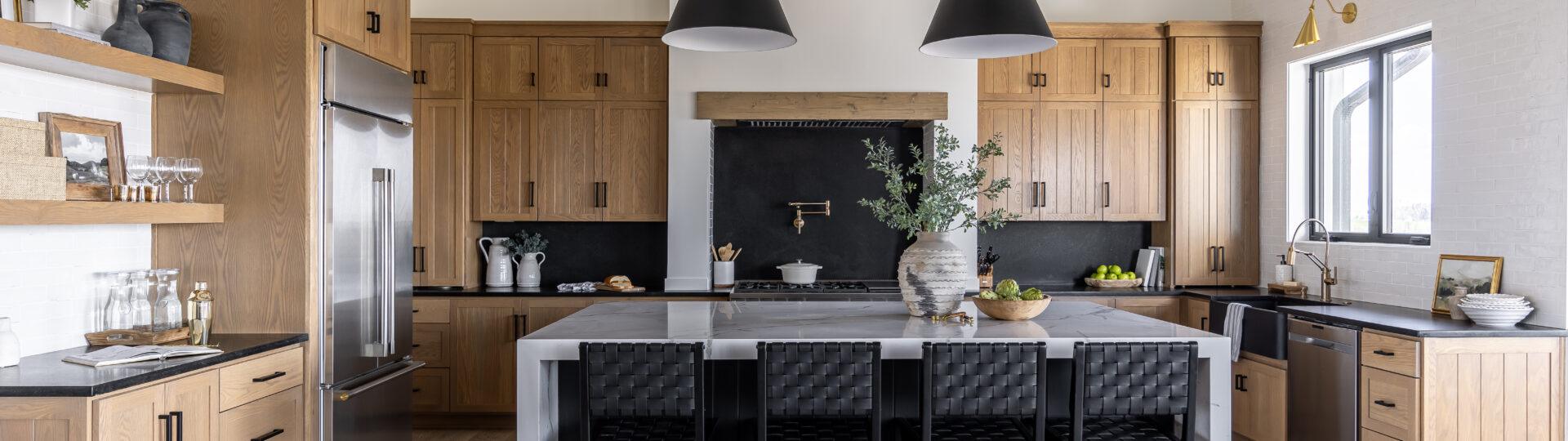
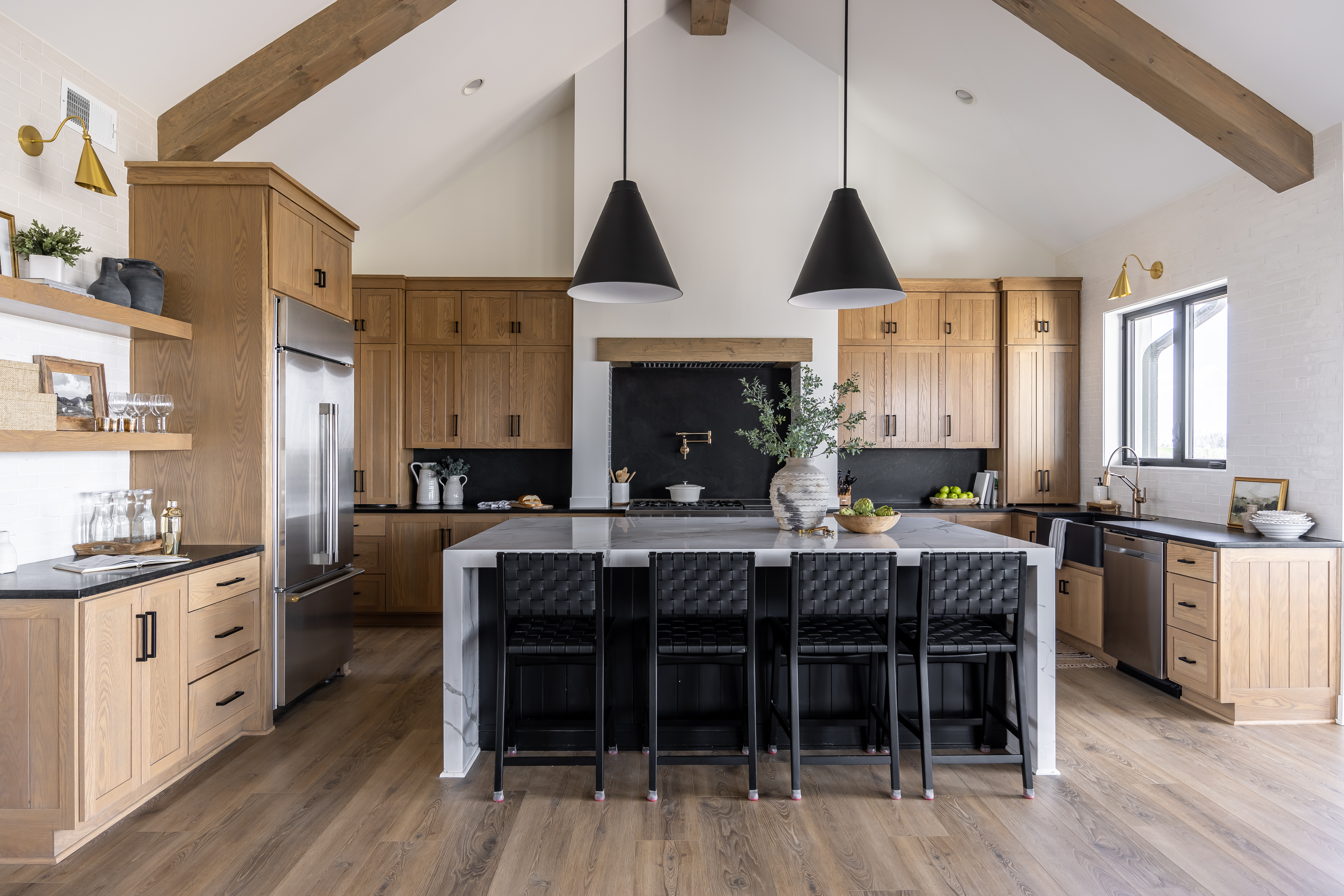
4. A Thoughtfully Designed Kitchen
If there is one room where function and design need to work together, it is the kitchen.
A beautiful kitchen that doesn’t function well becomes frustrating quickly.
A well-designed kitchen can serve your family for decades.
Where the Investment Matters
Consider investing in:
- Quality cabinetry
- Durable hardware
- Functional storage
- Good task lighting
- Adequate countertop space
- A properly sized island
- Durable countertops
- Appliance placement
- Walkways with enough clearance
- Convenient access to the pantry
The goal isn’t simply to make the kitchen larger.
It is to make every square foot work harder.
For example, an oversized island may look impressive on a floor plan. But if it creates awkward walking paths or makes it difficult to reach the center, bigger isn’t necessarily better.
Good design balances appearance with daily use.
Don’t Forget the Pantry
For many custom homes, the pantry has become an extension of the kitchen.
A walk-in or working pantry can provide space for:
- Small appliances
- Food storage
- Additional countertops
- Coffee stations
- Secondary refrigerators
- Prep space
- Cleanup areas
Moving some everyday clutter out of the main kitchen can help keep the primary space clean and welcoming.
Builder Tip
Design the kitchen around how you actually cook and entertain, not simply around what looks good in photographs.
Where do groceries enter the home?
Where will the coffee maker sit?
Where do you unload the dishwasher?
Where do guests gather?
Small decisions during design can make a big difference every day.
5. Functional Storage and Custom Cabinetry
Storage may not be the first thing you imagine when designing your custom home.
It should be one of the first things you plan.
One of the biggest advantages of building custom is the ability to create storage around your life instead of figuring out where everything will go after move-in.
Think Beyond Bedroom Closets
Useful storage can include:
- Mudroom lockers
- Drop zones
- Linen cabinets
- Laundry cabinetry
- Pantry storage
- Garage storage
- Bathroom towers
- Built-in office cabinetry
- Entertainment built-ins
- Basement storage
- Seasonal storage
Imagine arriving home on a snowy January evening.
Coats, boots, backpacks, keys, mail, and bags all need somewhere to go.
A properly designed mudroom gives those items a home before they reach the kitchen.
That’s what good design does.
It solves everyday problems before they happen.
Quality Cabinetry Is Worth Considering
Cabinetry gets used constantly.
Doors open and close thousands of times. Drawers carry substantial weight. Hardware gets touched every day.
Quality construction, durable finishes, good hardware, and thoughtful layouts can provide value long after the initial excitement of move-in fades.
6. Durable, Low-Maintenance Exterior Materials
Your home’s exterior has two jobs.
It should look great, and it should protect everything behind it.
Omaha’s climate makes material selection especially important.
Exterior materials need to handle sun, wind, rain, snow, ice, humidity, and repeated freeze-thaw cycles.
Look at Lifetime Value
A lower-priced exterior product may reduce the initial construction budget.
But ask what happens over the next 20 years.
Will it need frequent painting?
How does it handle moisture?
What maintenance does the manufacturer require?
How long should it last when installed correctly?
Those questions matter.
Depending on the home’s design, durable exterior options may include products such as:
- Fiber cement siding
- Masonry
- Quality engineered siding
- Metal accents
- Properly detailed exterior trim systems
No exterior product is maintenance-free.
The goal should be choosing materials that provide the right balance of appearance, durability, maintenance, and cost.
Installation Matters Too
Premium materials don’t guarantee a premium result.
Water management, flashing, clearances, fastening, transitions, and manufacturer installation requirements all matter.
The product is only one part of the system.
7. A Better HVAC and Indoor Comfort System
Heating and cooling equipment usually doesn’t receive the same attention as countertops or cabinetry.
Yet your HVAC system affects almost every hour you spend at home.
HVAC stands for heating, ventilation, and air conditioning.
A properly designed system should do more than make the house hot or cold.
It should help provide consistent comfort throughout the home.
What Good Mechanical Planning Considers
Your mechanical contractor and builder should evaluate factors such as:
- Home size
- Insulation
- Air sealing
- Window locations
- Window performance
- Ceiling heights
- Solar exposure
- Number of floors
- Room use
- Equipment sizing
- Duct design
- Ventilation
- Humidity control
Simply buying the largest or most expensive equipment isn’t the answer.
Proper design matters.
Oversized equipment can create its own comfort and performance problems.
Consider Indoor Air Quality
Today’s tighter homes also make ventilation planning increasingly important.
Depending on your home’s design and performance goals, you may want to discuss filtration, fresh-air ventilation, humidity management, and other indoor air quality strategies with your builder and mechanical contractor.
This is especially important because you experience your home’s air every day, even if you never see the equipment creating it.
8. Covered Outdoor Living
In Nebraska, outdoor living becomes much more useful when you design it around the weather.
A basic uncovered patio may work perfectly on a mild evening.
A covered outdoor living area gives you more options.
Why Covered Space Can Be Worth It
A well-designed covered patio can provide:
- Shade during summer
- Protection from light rain
- Outdoor dining space
- Entertaining space
- A transition between the home and backyard
- Space for outdoor furniture
- Opportunities for fireplaces, televisions, heaters, or outdoor kitchens
The key is integrating it into the home from the beginning.
Rooflines, foundations, electrical service, lighting, gas lines, drainage, ceiling materials, and door locations may all need consideration.
Adding these features later can be considerably more complicated.
Design for How You Entertain
If you frequently host family and friends, think about the relationship between the kitchen, great room, and outdoor living area.
Large doors can create a strong connection between the spaces.
But bigger isn’t automatically better.
Door performance, furniture placement, screens, sun exposure, and traffic flow still matter.
Good design makes the outdoor space feel like an intentional extension of the home.
9. Flexible Spaces That Can Change With You
Your needs today may not match your needs ten years from now.
That is why flexibility can be one of the most valuable features in a custom home.
A room doesn’t always need a single purpose.
Examples of Flexible Spaces
A well-planned room might transition from:
- Home office to bedroom
- Playroom to study space
- Exercise room to guest suite
- Nursery to office
- Children’s lounge to media room
- Unfinished storage to future finished space
You can prepare for those changes during construction.
For example, a room with an appropriate size, window placement, closet, electrical layout, and nearby bathroom may provide far more future flexibility than a highly specialized room.
Consider Your Long-Term Plans
You don’t have to predict exactly where life will take you.
You can simply give yourself options.
If you expect this to be your long-term home, you may also consider features such as:
- Main-floor living
- Wider doorways
- Curbless shower designs
- Comfortable circulation paths
- Laundry near primary living areas
- Fewer unnecessary level changes
These decisions can make a home easier to live in at different stages of life without making it feel institutional or compromising the design.
10. Thoughtful Electrical, Lighting, and Technology Planning
Electrical planning doesn’t get enough attention during many home builds.
Homeowners often discover this after move-in.
There’s an outlet missing where the Christmas tree goes.
The kitchen doesn’t have enough charging locations.
Outdoor outlets aren’t where they’re needed.
The television location has visible cords.
The garage isn’t prepared for an electric vehicle.
These issues are much easier to solve before drywall.
Plan Beyond Code Minimums
Think about how every room will function.
Consider:
- Furniture layouts
- Bed locations
- Television locations
- Floor outlets
- Kitchen appliances
- Charging stations
- Home offices
- Garage equipment
- Electric vehicle charging
- Exterior outlets
- Holiday lighting
- Landscape lighting
- Security cameras
- Wi-Fi equipment
- Speakers
- Motorized window coverings
- Future technology
You don’t necessarily need to install every technology system during construction.
Sometimes the smartest investment is simply preparing for it.
Conduit, wiring, electrical capacity, blocking, and planned equipment locations can make future upgrades much easier.
Lighting Deserves Its Own Plan
Lighting changes how a home feels.
A good lighting design uses layers.
Ambient lighting provides general illumination.
Task lighting helps with activities such as cooking, reading, and getting ready.
Accent lighting highlights architecture, cabinetry, artwork, and other features.
Combining those layers gives you more control than simply filling every ceiling with recessed lights.
Which Custom Home Features Should You Spend More On?
Not every upgrade provides the same value.
When deciding where to allocate your budget, we recommend using one simple question:
How difficult will this be to change later?
That question can help separate important construction investments from upgrades that can wait.
| Feature | Difficulty to Upgrade Later | Priority |
|---|---|---|
| Building envelope | Very difficult | Very high |
| Insulation and air sealing | Very difficult | Very high |
| Windows | Difficult and expensive | High |
| Structural components | Very difficult | Very high |
| HVAC design | Difficult | High |
| Electrical infrastructure | Difficult after drywall | High |
| Cabinetry | Moderate to difficult | High |
| Exterior materials | Expensive | High |
| Decorative lighting | Relatively easy | Moderate |
| Appliances | Easy | Based on preference |
| Furniture | Easy | Based on preference |
If the budget requires compromises, protect the components that affect durability, performance, and long-term comfort first.
You can replace a refrigerator.
You don’t want to open finished walls because you wish you had planned the home differently.
Custom Home Upgrades That Aren’t Automatically Worth the Money
Building custom doesn’t mean saying yes to every available upgrade.
An expensive feature only provides value when it supports the way you live.
Be cautious about spending heavily on:
- Highly specialized rooms you rarely use
- Oversized spaces without a clear purpose
- Trend-driven finishes that may date quickly
- Complicated technology you don’t need
- Excessive architectural complexity
- Features selected primarily for resale
- Expensive finishes at the expense of better construction
Your home doesn’t need every feature you’ve seen online.
It needs the right features for you.
The Best Time to Make These Decisions
The earlier, the better.
Many of the most valuable custom home features need to be incorporated into the architectural plans, specifications, mechanical design, or construction budget before work begins.
Trying to add them later can create:
- Change orders
- Additional labor
- Material delays
- Rework
- Schedule disruptions
- Unexpected costs
This is one reason preconstruction matters so much.
A strong preconstruction process gives you time to understand your options before decisions become urgent.
Your builder should help you determine what needs to happen now, what can wait, and where investing more will create meaningful long-term value.
Frequently Asked Questions About Custom Home Features
What features add the most value to a custom home?
Features that improve durability, comfort, function, and broad homeowner appeal tend to provide the strongest long-term value. Quality construction, good windows, efficient mechanical systems, functional kitchens, adequate storage, flexible floor plans, and attractive outdoor living spaces are strong places to consider investing.
What should you not skimp on when building a custom home?
Avoid cutting quality in areas that are difficult or expensive to replace later. Structural components, waterproofing, the building envelope, insulation, windows, mechanical systems, and other behind-the-wall components deserve particular attention.
Should I spend more on finishes or construction quality?
Construction quality should generally come first. Flooring, lighting, appliances, and many decorative finishes can be replaced later. Correcting structural, moisture, insulation, or mechanical problems can be far more disruptive and expensive.
Are luxury upgrades worth it in a custom home?
Some are. The answer depends on how you live. A premium kitchen may provide tremendous value to someone who cooks and entertains regularly. A specialty room that rarely gets used may provide very little. Focus on upgrades that improve your everyday experience rather than adding features simply because they are considered luxurious.
Is a finished basement worth including in an Omaha custom home?
It can be. Finished basements can provide valuable living, entertainment, guest, fitness, and storage space. However, the decision should fit your overall budget and priorities. It is also smart to plan future basement spaces during initial construction even if you don’t finish every area immediately.
Should I plan smart-home technology during construction?
Yes, even if you don’t install every device immediately. Planning electrical capacity, low-voltage wiring, Wi-Fi coverage, conduit, equipment locations, and other infrastructure during construction can make future technology upgrades easier.
How do I decide which custom home upgrades are worth it?
Start by considering four things: how often you’ll use the feature, how much it improves your daily life, how difficult it will be to add later, and whether it contributes to the home’s durability or performance. Your builder can then help you compare those priorities against your overall construction budget.
Build for the Next 20 Years, Not Just Move-In Day
One of the biggest advantages of building a custom home is the opportunity to think beyond what looks good today.
You can build around how you live now while preparing for where life may take you next.
That doesn’t mean choosing the most expensive option at every turn.
It means investing intentionally.
Put quality into the structure. Think carefully about comfort. Plan storage around everyday life. Create spaces that have a purpose. Choose durable materials. And make the difficult-to-change decisions correctly the first time.
The details behind the walls may never receive the same attention as a beautiful kitchen or great room.
But years after move-in, those details often become the investments you appreciate most.
At Gottsch Construction, we believe a custom home should feel just as well built as it looks. Our role is to help you understand your options, weigh the tradeoffs, and make informed decisions throughout the process.
If you’re considering building a custom home in Omaha, Elkhorn, Bennington, Gretna, Papillion, or another surrounding community, we’d be happy to help you understand what is possible and how to begin planning your home.
You bring the vision. We’ll bring the craftsmanship.