Superior Home Building Essentials: How to Choose the Right Materials
- update794
- Dec 20, 2025
- 6 min read
Building a home is one of the most significant investments you'll ever make, and choosing the right materials is crucial for ensuring durability, aesthetic appeal, and cost-effectiveness. In this guide, we'll explore essential tips on how to select materials that not only meet your needs but also enhance your living experience. Whether you’re embarking on a new build or a renovation, understanding the options available can make all the difference.
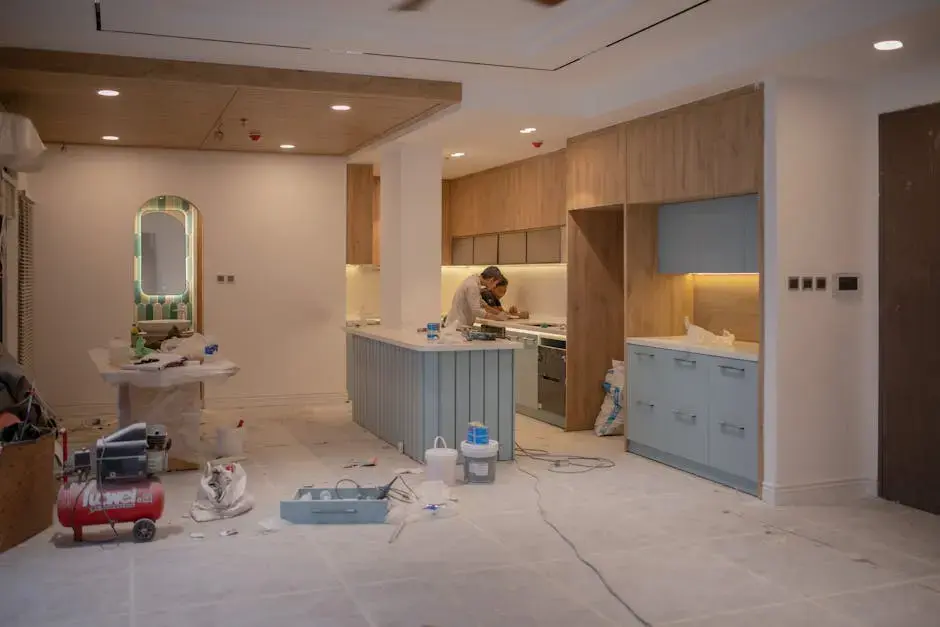
Understanding the Importance of Material Selection
Choosing the right materials affects your home's longevity, style, and energy efficiency. Learn why this decision is foundational.
When it comes to constructing or renovating a home, material selection is not merely a matter of functionality but also of emotional connection. The materials you choose will define the atmosphere of your home, from the warmth of wooden beams to the sleekness of steel structures. For instance, opting for sustainable materials can create an eco-friendly ambiance that resonates with contemporary lifestyles. This understanding is essential—your decisions today will impact the comfort and joy of your living spaces for years to come.
Moreover, the significance of material choices extends beyond the visual appeal; it touches upon safety and durability as well. For example, selecting resistant materials can lower maintenance costs and prolong the life of your home. The first step towards achieving a superior home building experience is recognizing that every choice you make, from floor tiles to roofing materials, plays a vital role in crafting the space you envision.
Key Factors to Consider When Choosing Building Materials
From climate to budget, explore the various factors that influence material selection in home building.
One of the primary considerations when selecting building materials is your local climate. Understanding whether you live in a humid, dry, or cold region can greatly influence your material choices. For example, if you reside in an area prone to moisture, it would be wise to choose materials resistant to water damage, such as treated wood or composite decking. Climate compatibility is essential to prevent future issues, ensuring that your materials perform optimally throughout the year.
Budget is another critical factor that cannot be overlooked. While it can be tempting to opt for high-end materials, finding a balance between quality and cost is essential. Do thorough research to identify materials that offer the best value for your investment while still adhering to your quality standards. Additionally, considering long-term savings, such as lower maintenance or energy costs, can also influence your initial choices.
Lastly, consider the availability of materials. Some options may be abundant in one region but scarce in another. This could affect not only the cost but also the timelines of your building project. Make sure to consult with local suppliers and builders to gain insights into what materials are readily accessible, potentially avoiding delays and unexpected price hikes.
Popular Building Materials and Their Benefits
Discover common building materials such as wood, concrete, steel, and eco-friendly options, along with their advantages and disadvantages.
When considering materials for construction, wood often tops the list due to its natural beauty and structural flexibility. It's a renewable resource, making it an appealing choice for those focused on sustainability. However, wood requires regular maintenance to prevent rot and pest damage, which is an important trade-off to consider. Understanding the characteristics of different wood types, such as cedar or pine, can further assist in making informed choices.
Concrete, on the other hand, is celebrated for its durability and fire resistance. It's especially advantageous in regions vulnerable to extreme weather conditions, providing a solid foundation that can withstand harsh elements. While it may lack in aesthetics compared to wood, modern techniques allow for various finishes that can enhance its visual appeal. The surprise here is that concrete can also be eco-friendly, especially when utilizing recycled materials in its composition.
Steel has become increasingly popular in contemporary home design due to its strength and longevity. This material provides vast design versatility, allowing for open floor plans and expansive windows that flood interiors with light. However, its price point can be steep, and it must be adequately insulated to prevent heat loss. Eco-friendly options, such as bamboo and rammed earth, are increasingly gaining traction among eco-conscious builders. These materials not only offer unique aesthetics but also foster a connection to nature, which can greatly enhance the home environment.
Balancing Cost and Quality in Material Choices
Learn how to evaluate options that offer the best balance between affordability and quality.
Finding the perfect balance between cost and quality in building materials can indeed be a daunting task. It’s often appealing to gravitate toward the least expensive options available, but this can be a slippery slope that leads to higher costs down the line if quality is compromised. It’s vital to assess each material not just through its price tag but through its long-term performance as well. Remember, lower upfront costs can lead to more frequent repairs or replacements.
A great approach is to conduct a thorough market analysis. Make a list of all the materials you need and gather quotes from different suppliers. Armed with this information, weigh the costs against the reviews of each material's performance in practical scenarios. Look for testimonials and case studies to guide your decisions. Sometimes, investing slightly more in a material with a proven track record can save you money and stress over time.
Also, don't hesitate to seek out alternative options that provide the same visual appeal or functionality at a lower cost. For instance, instead of solid hardwood flooring, engineered hardwood might be a pocket-friendly alternative that still delivers beauty without breaking your budget. Thus, the path to superior home building is paved with informed choices, considering both immediate financial impacts and long-term value.
The Role of Sustainability in Material Selection
Understand the importance of selecting sustainable materials that are both environmentally friendly and beneficial for your health.
In today’s world, sustainability has become more than just a trend; it’s a necessity. As we build our homes, being mindful of the environmental impact of our choices is crucial for future generations. Selecting sustainable materials can significantly reduce your carbon footprint, and materials like bamboo, reclaimed wood, and recycled metals stand out as both eco-friendly and stylish options. These choices not only lessen environmental harm but also foster a healthier indoor environment free from harmful chemicals often found in traditional materials.
Moreover, sustainable materials often resonate with homeowners on a personal level. Choosing materials that come from ethical sources adds a layer of meaning to your home, aligning your living space with your values. When you select materials with sustainability in mind, you're investing in a happier, healthier, and more conscious way of living. Embracing this responsibility is a step every builder can take towards creating a legacy that honors both the planet and its inhabitants.
Consulting Professionals for Expert Advice
Discover the benefits of working with architects, builders, and interior designers to ensure you make informed decisions.
When it comes to home building, enlisting the expertise of professionals can make a world of difference. Architects and builders possess valuable insights that can steer your material selection process in the right direction. They not only understand the latest trends and technologies but can also provide solutions tailored to enhance your specific lifestyle and needs. For example, they might suggest alternative materials that align with your design preferences while being budget-friendly.
Interior designers bring a unique perspective, focusing on how materials interact within your home’s design. Their experience in balancing aesthetics with functionality ensures that your material choices are both visually appealing and strong enough to stand the test of time. They can help you visualize how different textures, colors, and patterns come together in a cohesive design, making your living space not only functional but also a reflection of who you are.
Lastly, consulting with professionals doesn’t just ease the decision-making process; it can also prevent costly mistakes. Their expertise helps navigate the myriad of choices available, ensuring that you select materials that enhance your home’s performance and longevity. Partnering with the right professionals can turn your building experience from a series of overwhelming decisions into an exciting journey toward creating your dream home.
Final Thoughts on Material Selection for Superior Home Building
Selecting the right materials for your home is an essential step in the building process. By considering factors such as durability, aesthetics, and sustainability, you can make choices that benefit not just your immediate needs but also the long-term value of your home. Take your time, do your research, and consult with professionals to create a living space that truly reflects your vision.


Comments