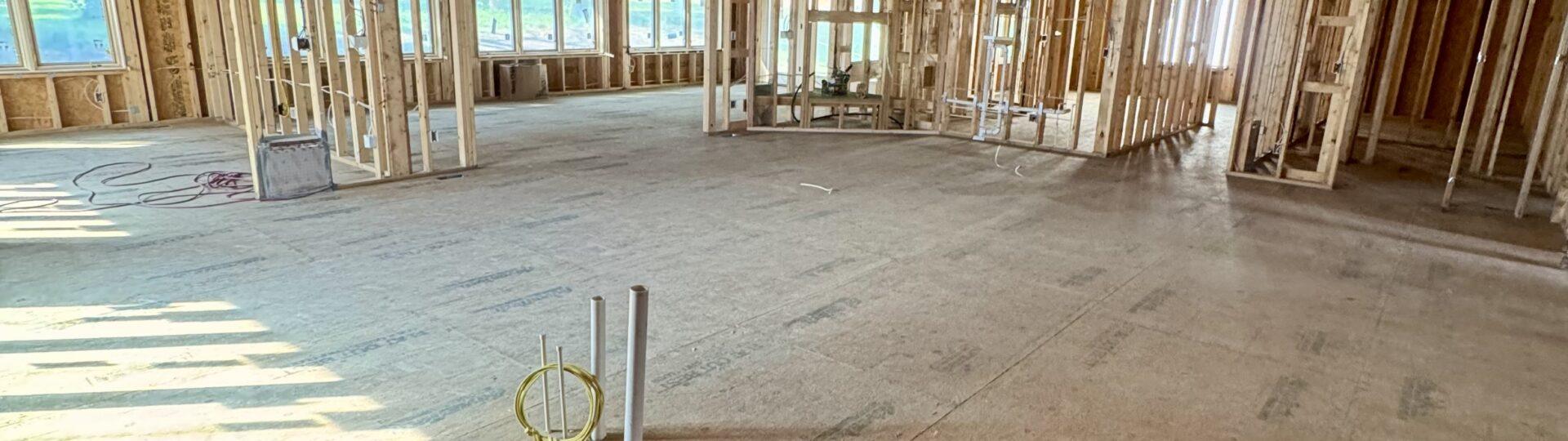
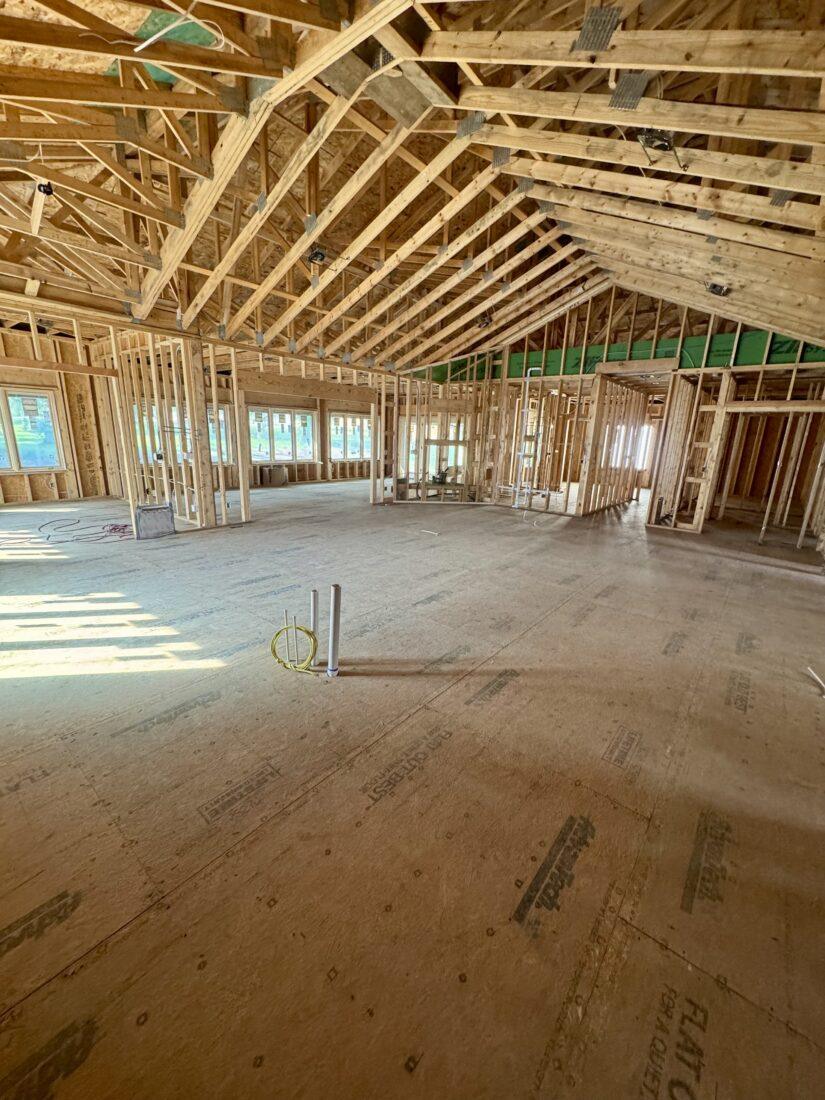
A whole home renovation in Omaha typically runs $150 to $250 per square foot for a mid-range remodel, or $250 to $400+ per square foot for high-end finishes and structural work. Most full projects land somewhere between $100,000 and $400,000 depending on square footage and how much of the house you’re touching. If you’re comparing quotes, or trying to figure out whether your 1920s Dundee bungalow can handle a modern layout, here’s what actually goes into a whole home renovation in this market — and what it costs to do right.
What Counts as a Whole Home Renovation
There’s a real difference between refreshing a few rooms and a true whole home renovation, and it matters for your budget and timeline. A whole home renovation generally means new kitchens and bathrooms, updated mechanical systems (HVAC, electrical, plumbing), and often structural or layout changes throughout the house — not just paint and fixtures.
Partial renovations (a kitchen and a couple of bathrooms) are a different project with a different price tag than a full gut renovation that takes the house down to studs. Knowing which one you’re actually planning helps you get accurate quotes instead of comparing apples to oranges.
What a Whole Home Renovation Costs in the Omaha Metro
For 2026, most Omaha-area homeowners can expect general remodeling costs between $150 and $250 per square foot for mid-range work, and $250 to $400+ per square foot for custom, high-end renovations. Here’s how that breaks down by room, since a whole home project is really a bundle of these:
- Kitchens: $30,000–$50,000 for a mid-range remodel; $50,000–$90,000+ for a custom kitchen with layout changes and higher-end finishes.
- Bathrooms: $15,000–$25,000 for a hall bath; $25,000–$50,000+ for a primary suite bathroom.
- Basements: $40–$80 per square foot to finish, with most full basement renovations landing between $40,000 and $85,000 — often the most cost-effective way to add livable square footage in an Omaha home.
Costs vary by home age, lot conditions, and how much of the house you’re opening up, but the biggest cost drivers we see across Omaha projects are structural changes, whole-house utility upgrades, and homes that need significant repair before new finishes can go in. That last one catches a lot of people off guard, which brings us to Omaha’s housing stock specifically.
How to pay for it: Most homeowners finance a whole home renovation with a home equity loan, a cash-out refinance, or a construction loan that converts to a standard mortgage once work is complete. These are standard financing paths available anywhere, not something unique to Omaha — but get your renovation quote first either way, since lenders want a firm scope and cost before approving financing.
Thinking through the numbers on your own house? Request a quote and we’ll walk your specific home and give you a realistic range before you talk to a lender.
Why Omaha’s Older Housing Stock Changes the Math
A big share of whole home renovation work in this market happens in neighborhoods like Dundee, Benson, Field Club, Hanscom Park, and Aksarben, where homes were built between 1900 and 1950 — long before modern heating, cooling, and electrical standards existed. It’s common to open up walls in these houses and find no ductwork (they were originally heated by radiators, gravity furnaces, or boilers), undersized electrical panels that can’t support modern loads, and galvanized or lead plumbing that needs full replacement
If your home sits in a locally regulated historic district, exterior changes may also need review before work starts — worth checking with the city early, not after you’ve already ordered materials. Build a realistic contingency into your budget (most contractors recommend 10-20% of the project cost) to cover what you find once the walls come open.
Permits and Inspections in Omaha
Nearly all whole home renovation work requires permits through the City of Omaha Planning Department. Roofing, siding, basement finishes, and window replacements can move forward with just an application and permit fee. Everything else — room additions, modifying load-bearing walls or other structural work, and new dwellings — requires a full plan review, and applicants must submit three complete sets of plans at the time of application.
Permits that don’t require plan review are typically issued the same day you apply. Permits that do require review usually take three to four weeks to issue, though it can run longer during the city’s busier seasons, so building that into your schedule up front matters. Electrical, plumbing, and mechanical work are permitted separately from the main building permit, with their own rough-in and final inspections.
If your project is outside Omaha’s city limits — Sarpy County, unincorporated Douglas County, Bellevue, or Papillion — you’re dealing with a different permitting department entirely, each with its own office, application process, and timeline. Confirm jurisdiction before you plan your schedule around Omaha’s process.
How Long a Whole Home Renovation Takes
Timelines depend heavily on scope, and these ranges reflect typical industry patterns rather than Omaha-published data (no local agency tracks renovation timelines by project type). Cosmetic updates across a whole house, without major permitting or structural work, typically take two to four months. Updating a kitchen and a couple of bathrooms while refreshing the rest of the home usually falls in the four- to eight-month range because of the plumbing and electrical work that requires permits and inspections. A full gut renovation — reconfiguring layouts, replacing all mechanical systems, or adding square footage — realistically takes nine months to a year, sometimes longer. On top of the work itself, plan on the City of Omaha’s three-to-four-week plan review window before permitted work can even start.
In the Omaha metro, winter weather is worth planning around too. Exterior work and additions slow down or pause during the coldest stretches, so many contractors sequence interior demolition, mechanical rough-in, and framing work for the winter months and save exterior work for spring.
Common Mistakes Homeowners Make
Underestimating what’s behind old walls. In homes built before 1980, it’s common to find knob-and-tube wiring, outdated plumbing, or materials that need special handling. Assume you’ll find something and budget for it rather than being surprised.
Skipping a permit on “small” work. Replacing cabinets in the same footprint usually doesn’t need a permit, but adding an outlet, moving a wall, or touching plumbing does — even if it seems minor. Unpermitted work can complicate a future sale.
Not building in a contingency. A 10-20% buffer isn’t padding — it’s the realistic cost of renovating a house you can’t fully see into until demo starts.
Assuming historic district rules don’t apply. If your home is in a designated historic area, check before finalizing exterior plans, not after.
Frequently Asked Questions
How much does a whole home renovation cost in Omaha? Most projects run $100,000 to $400,000+, or $150–$400+ per square foot depending on finish level and how much structural and mechanical work is involved.
How long does a whole home renovation take in the Omaha metro? Cosmetic-only work takes 2–4 months, kitchen-and-bath projects take 4–8 months, and full gut renovations typically take 9–12 months or more — plus the City of Omaha’s three-to-four-week plan review before permitted work can start.
Do I need a permit for a whole home renovation in Omaha? Yes, in almost all cases. The City of Omaha Planning Department requires permits for structural, electrical, plumbing, and layout changes; only limited work like re-roofing, siding, basement finishes, or window swaps can proceed with a simpler application.
How do homeowners finance a whole home renovation? Common options are a home equity loan, a cash-out refinance, or a construction loan. Getting a firm project quote first makes it much easier to secure financing.
Ready to Talk Through Your Project?
If you’re weighing a whole home renovation in the Omaha metro and want a straight answer on scope, cost, and timeline for your specific house, Contact Gottsch Construction for a consultation — no pressure, just a clear picture of what your project actually needs.